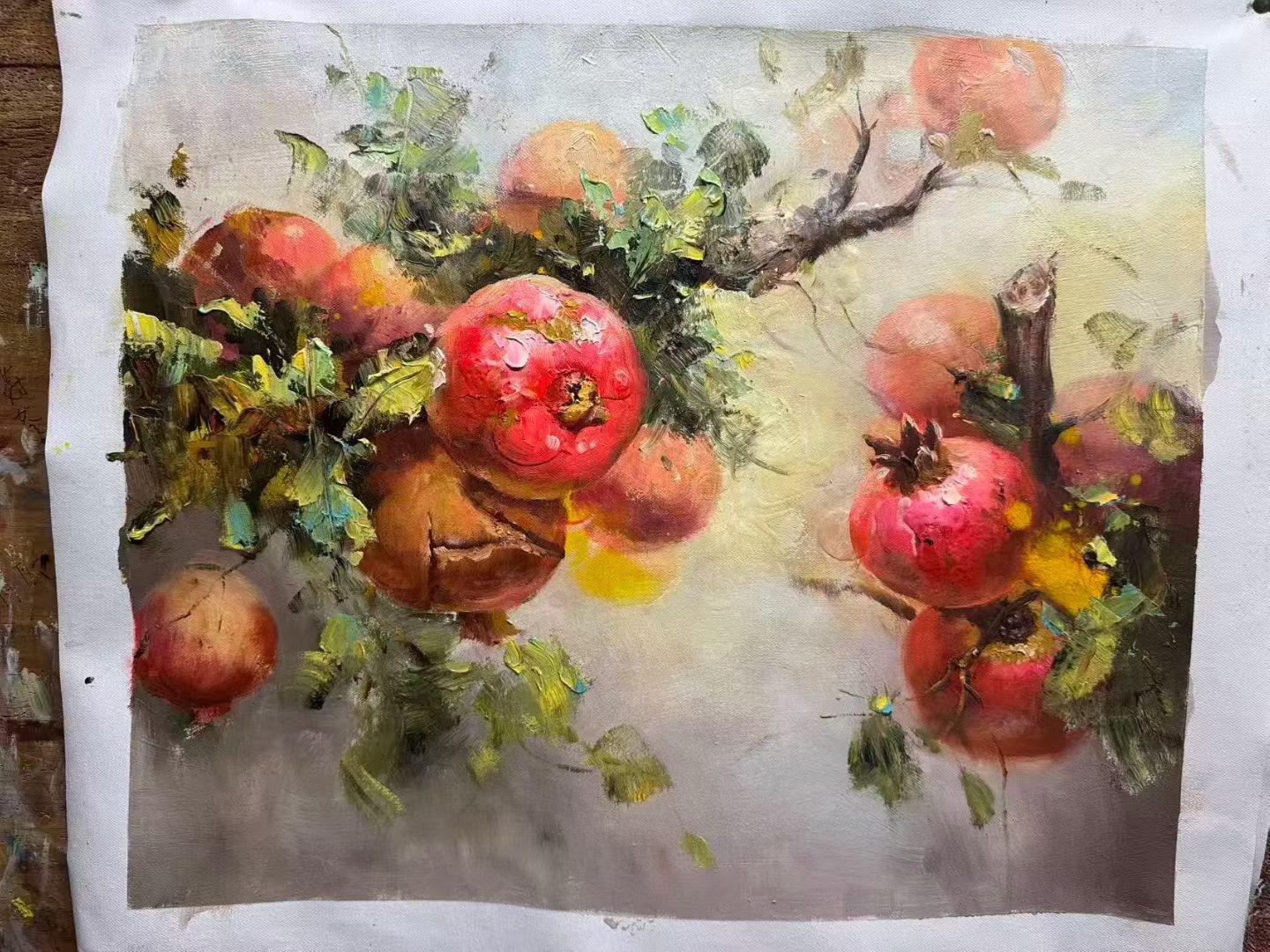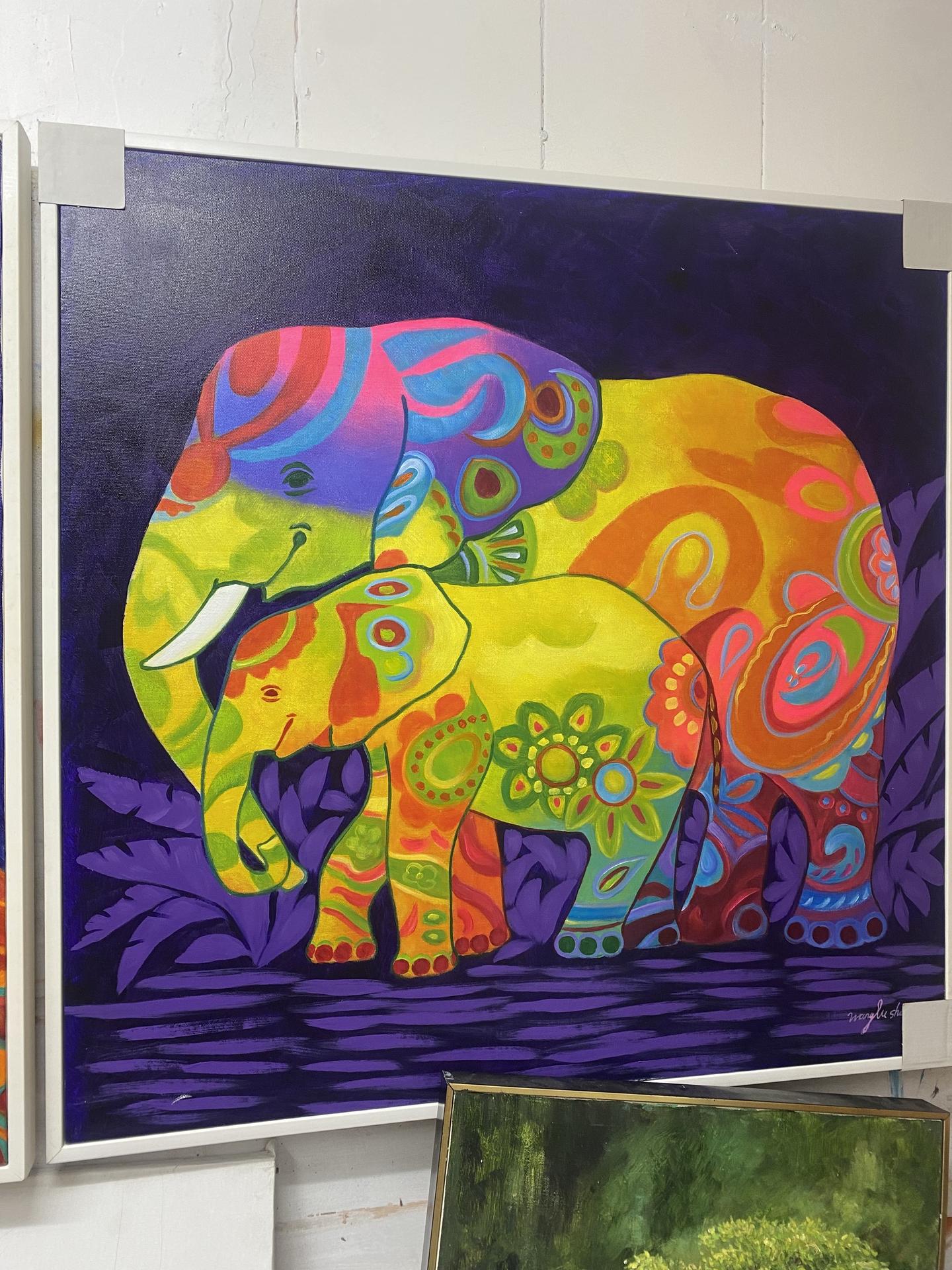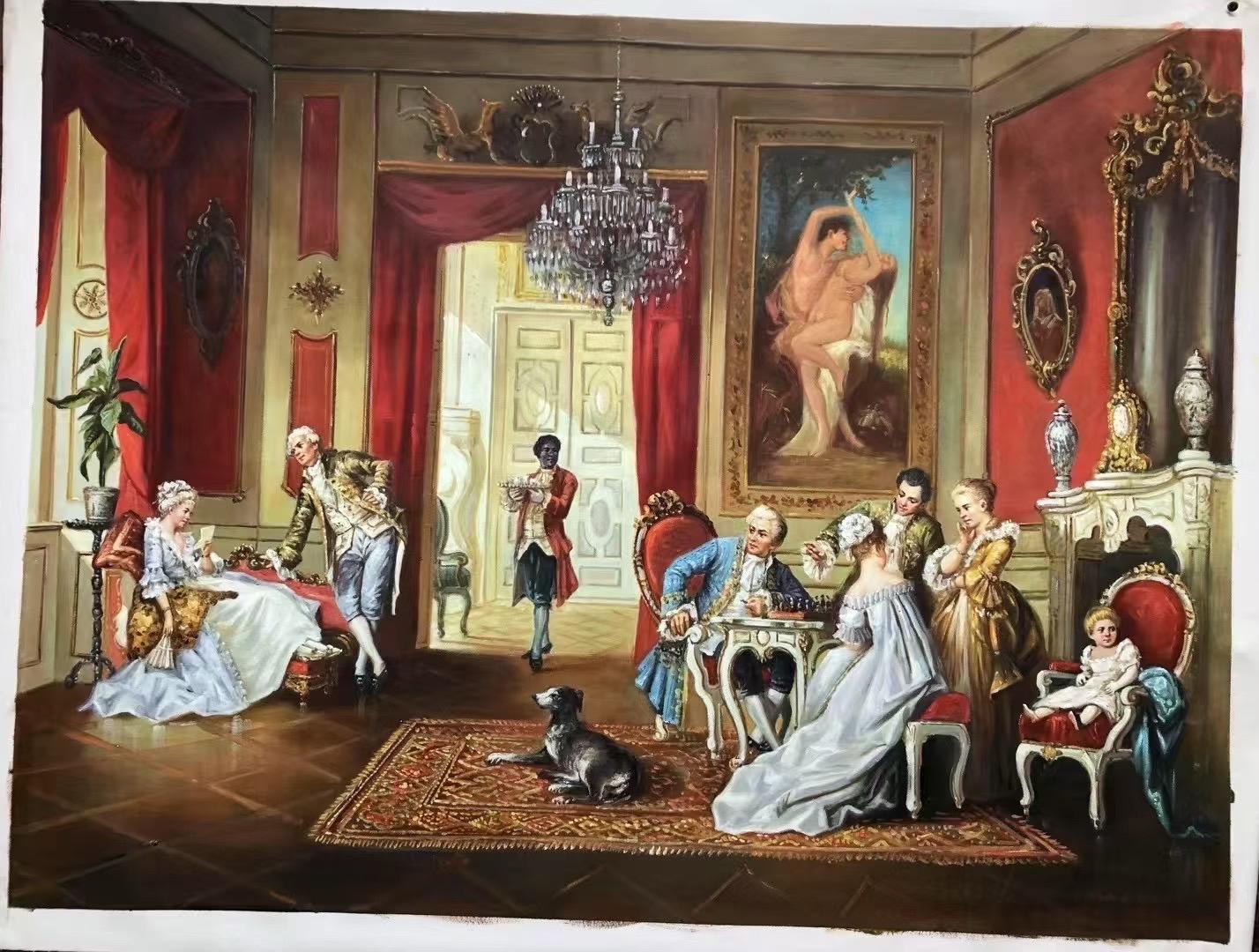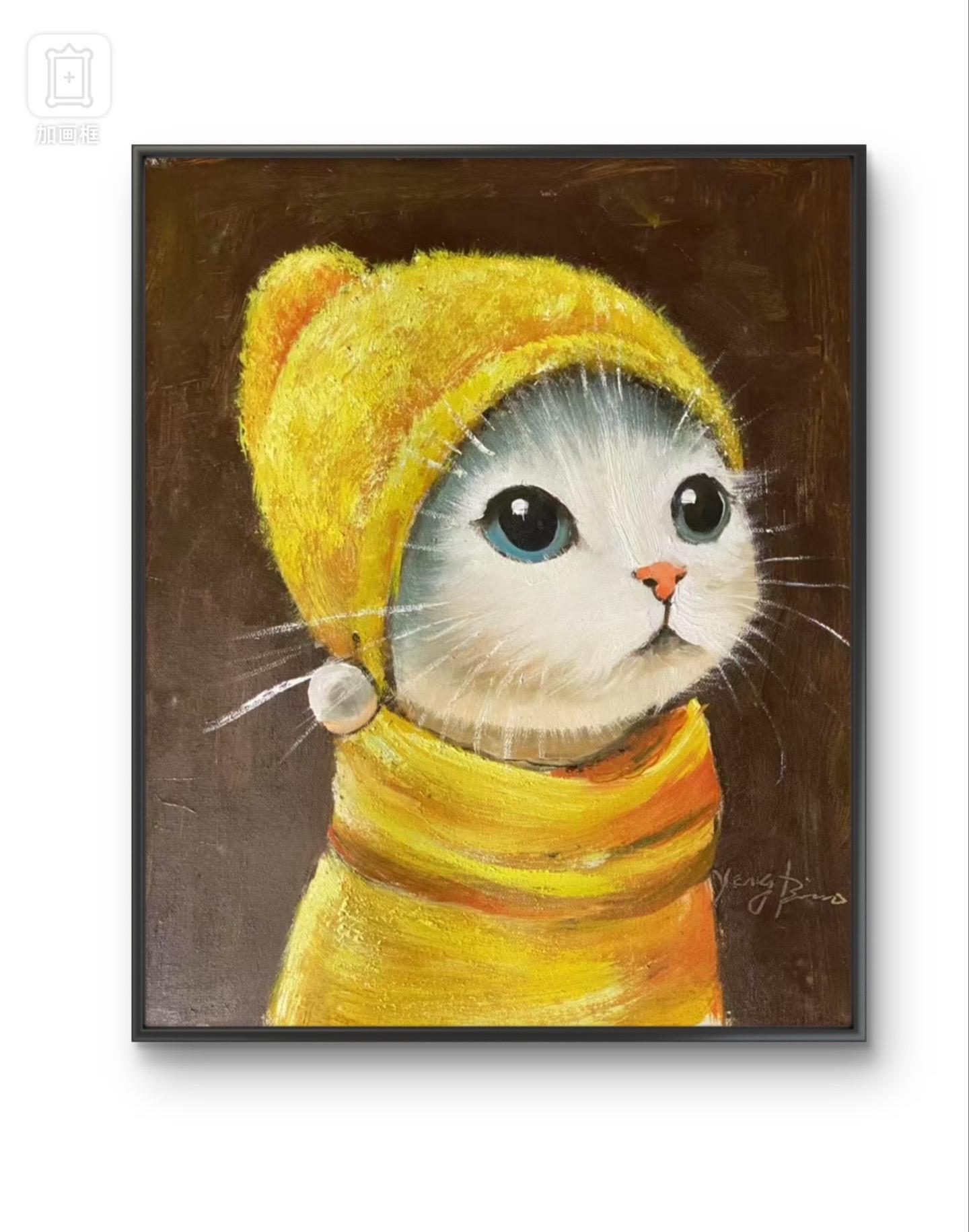
Charles Young Walls- The Enigmatic Beauty of East and West in Oil on Canvas
The Artist's Whisper: Charles Young Walls and the Enigma of Oil on Canvas
They say an artist's creation is a private torment made public—a puzzle for others to solve. I've watched friends stare at contemporary works in my comments, bewildered. Classical paintings? Those are straightforward tales of gods and heroes, their roles as fixed as the marble they're carved from. But modern art... it often speaks in riddles.
Charles Young Walls understands this language of ambiguity. Born in the mid-twentieth century, he moved from Arizona State University to New York's Art Students League and National Academy of Design—the very crucible where contemporary giants forge their visions. It was there, amidst the city's relentless energy, that he learned to translate confusion into canvas.
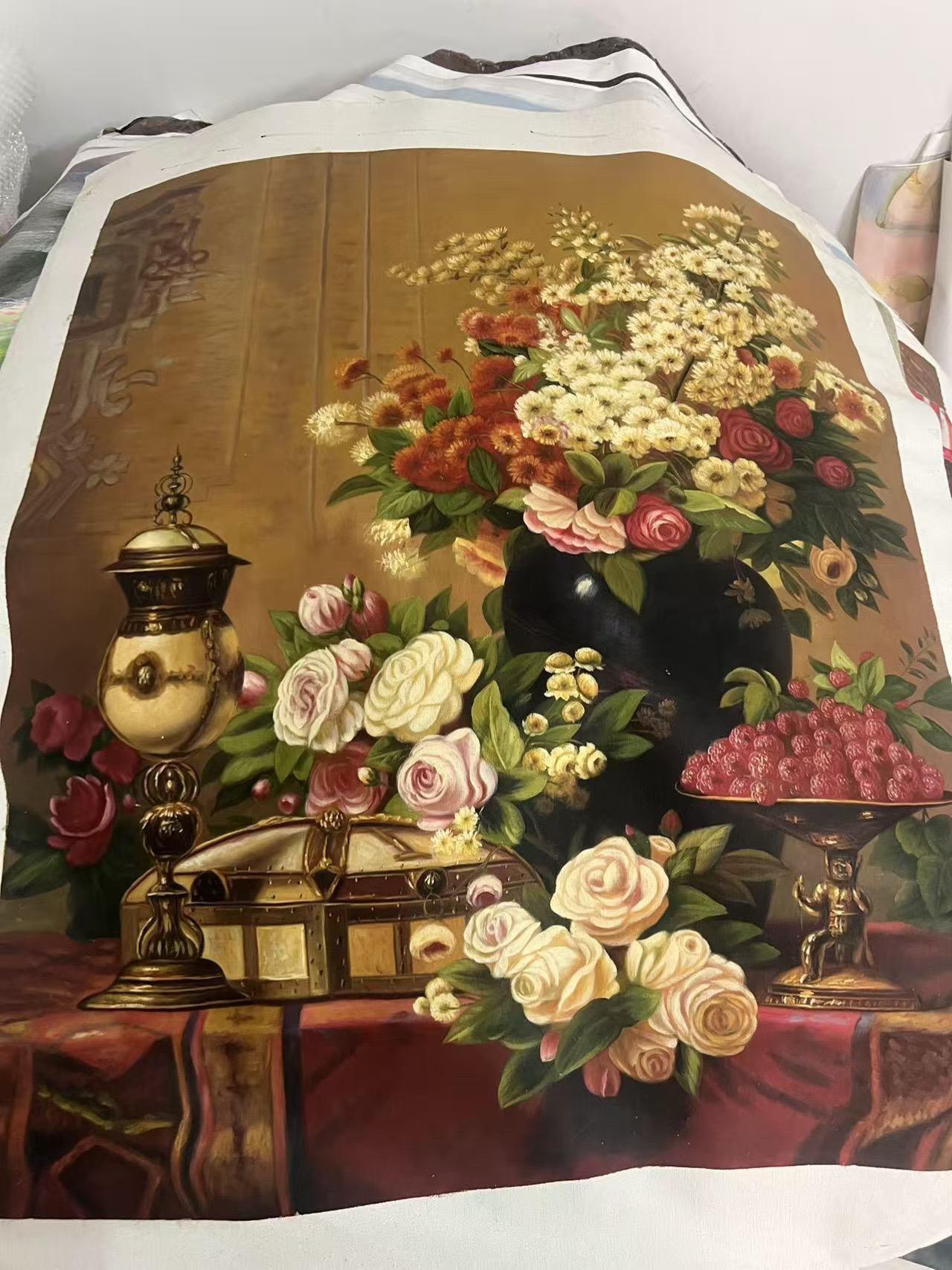
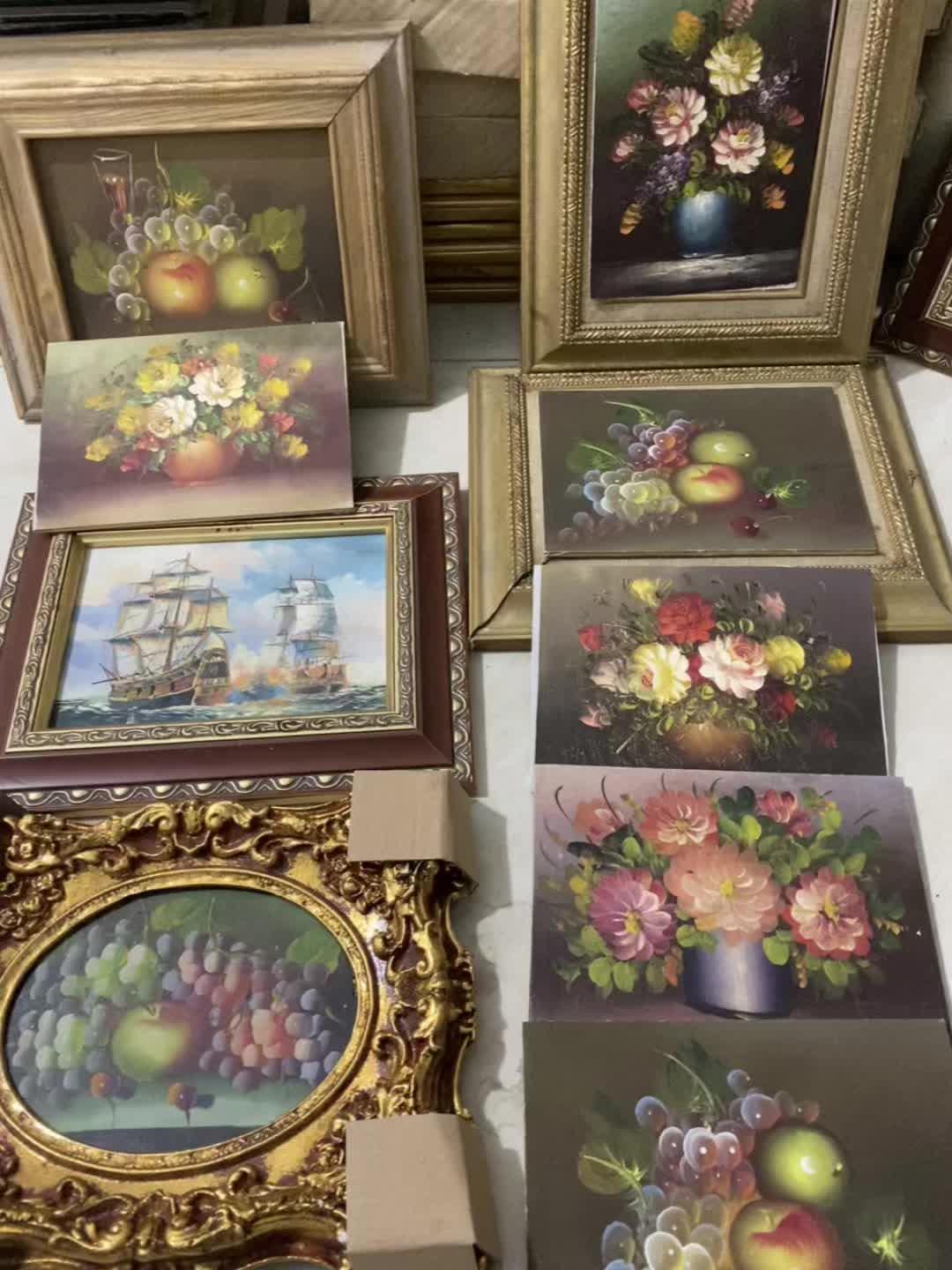
What makes Walls' oil on canvas so unsettlingly beautiful? Perhaps it's his obsession with objects that carry history in their cracks and curves. His still lifes are never simple arrangements; they're séances. Ancient Chinese bronzes and celadon vases emerge from shadowy backgrounds, their surfaces catching light in ways that feel both reverent and secretive. The oil on canvas technique allows him to build layers—thin glazes that let earlier versions of the painting bleed through, creating depth that feels archaeological.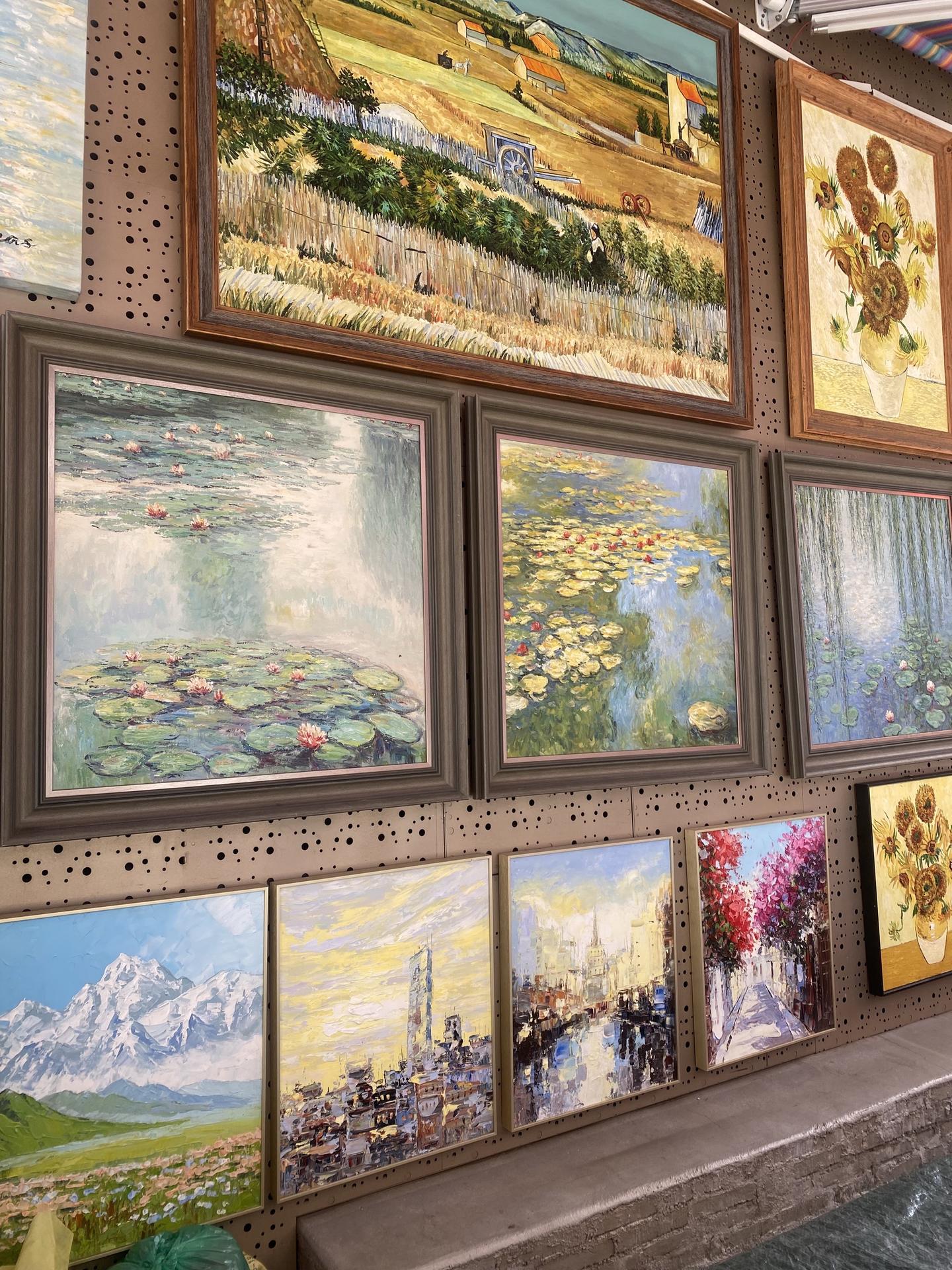
He doesn't just paint these antiquities; he resurrects their whispers. In one composition, a Tang dynasty horse seems to step forward from a mist of burnt sienna and Payne's grey, its form solid yet spectral. The brushwork is controlled yet passionate—every stroke a negotiation between East and West, past and present.
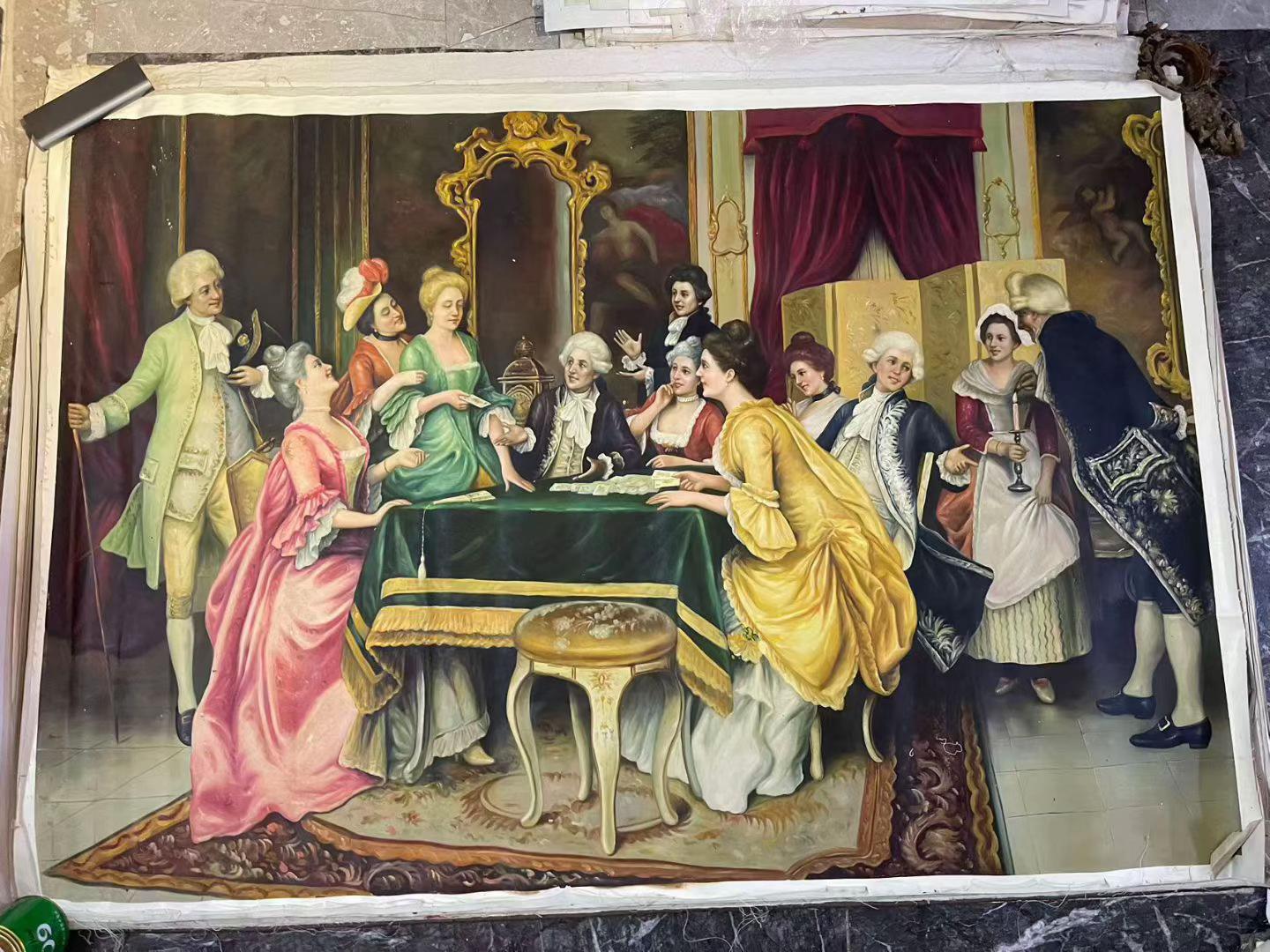
Walls' figure paintings deepen the mystery. His models often appear in interiors that feel like stage sets, their poses deliberate yet inscrutable. He uses the rich texture of oil on canvas to create tactile contrasts: the smoothness of skin against rough-hewn pottery, the drape of fabric that echoes ceramic glazes. There's a tension in these juxtapositions—a sense that meaning is perpetually just out of reach.
After decades of exhibitions and accolades, Walls remains one of contemporary art's best-kept secrets. His works sell worldwide, yet the conversations they spark are often hushed, uncertain. Viewers circle his oil on canvas paintings like detectives at a crime scene, looking for clues that never quite resolve.
Maybe that's the point. In an age of instant answers, Walls' art refuses to be decoded. It exists in that liminal space between understanding and wonder—where the paint itself becomes the message, and every texture, every shadow, every silent antique holds a story it will only half-tell.
The torment, then, isn't just the artist's. It's shared—a quiet conspiracy between creator and viewer, played out across the sacred ground of oil on canvas.