From Leningrad’s Winter Palace to Parisian Light- Ivan Slavinsky’s Oil Pastel Art
Where Else Could the Fire Reside? Ivan Slavinsky and the Luminous World of Oil Pastel Art
Where else could such an unbridled spirit and burning passion find its home, if not in the realm of art? Some souls arrive carrying an unmistakable mandate, as if the universe itself leaves them no other choice but to create.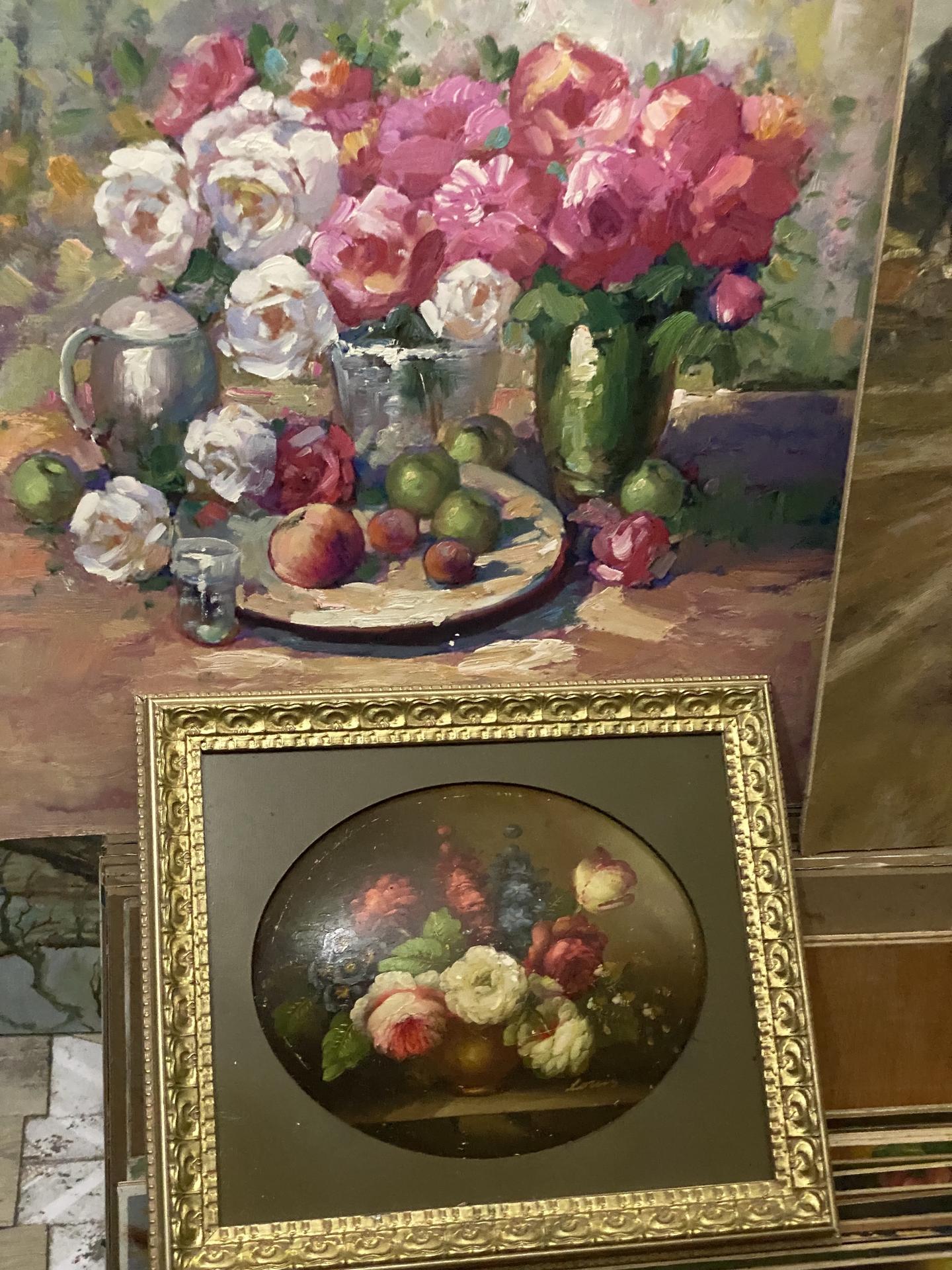
Born in 1968 in what was then Leningrad—now the storied St. Petersburg—Ivan Slavinsky entered the world in a city that breathes aesthetics. His father was already an established master, and the young Ivan grew up with the Winter Palace as his backyard and the Neva River as his daily companion. I remember walking those same Palace Square cobblestones a decade ago, feeling how even the wind carried the scent of turpentine and old canvas, as if echoing the footsteps of masters who had passed before.
From childhood, Slavinsky nursed a singular vision: to join the pantheon of great artists. This dream burned steadily, illuminating every turning point of his journey. At twenty-two, he made the pilgrimage westward to Paris, alone and hungry for transformation. Those Parisian years worked their alchemy upon him—where his native Russian seriousness once dominated, there bloomed now a new romantic elegance, a lightness learned from Left Bank cafés and dappled Luxembourg Gardens.
From the late nineties onward, he became a citizen of two worlds, constantly crossing between Paris and St. Petersburg. He joined the Russian Union of Artists and established his own gallery in his hometown, creating a bridge between Eastern heritage and Western innovation.
His chosen subjects remained classical—portraits of women and intimate still lifes—the eternal obsessions of Western painting, yet he rendered them unforgettable. Slavinsky forged what critics call "dream realism," a style born from the marriage of Russian academic rigor and contemporary European boldness. In his oil pastel art, this fusion finds its purest expression. The medium’s waxy immediacy allows his characteristic sweeping gestures—those bold, uninhibited strokes that seem to dance across the surface, revealing the artist’s romantic soul in every mark.
Working in oil pastel art, Slavinsky deploys saturated, unapologetic color harmonies that assault the senses with beauty. His palette sings with deep crimsons, burnished golds, and midnight blues that seem to glow from within the paper. Particularly striking is his treatment of metallic objects—the patina of ancient brass lamps, the reflective curve of copper vessels—where the unique texture of oil pastels captures not just the appearance of light, but its very weight and temperature.
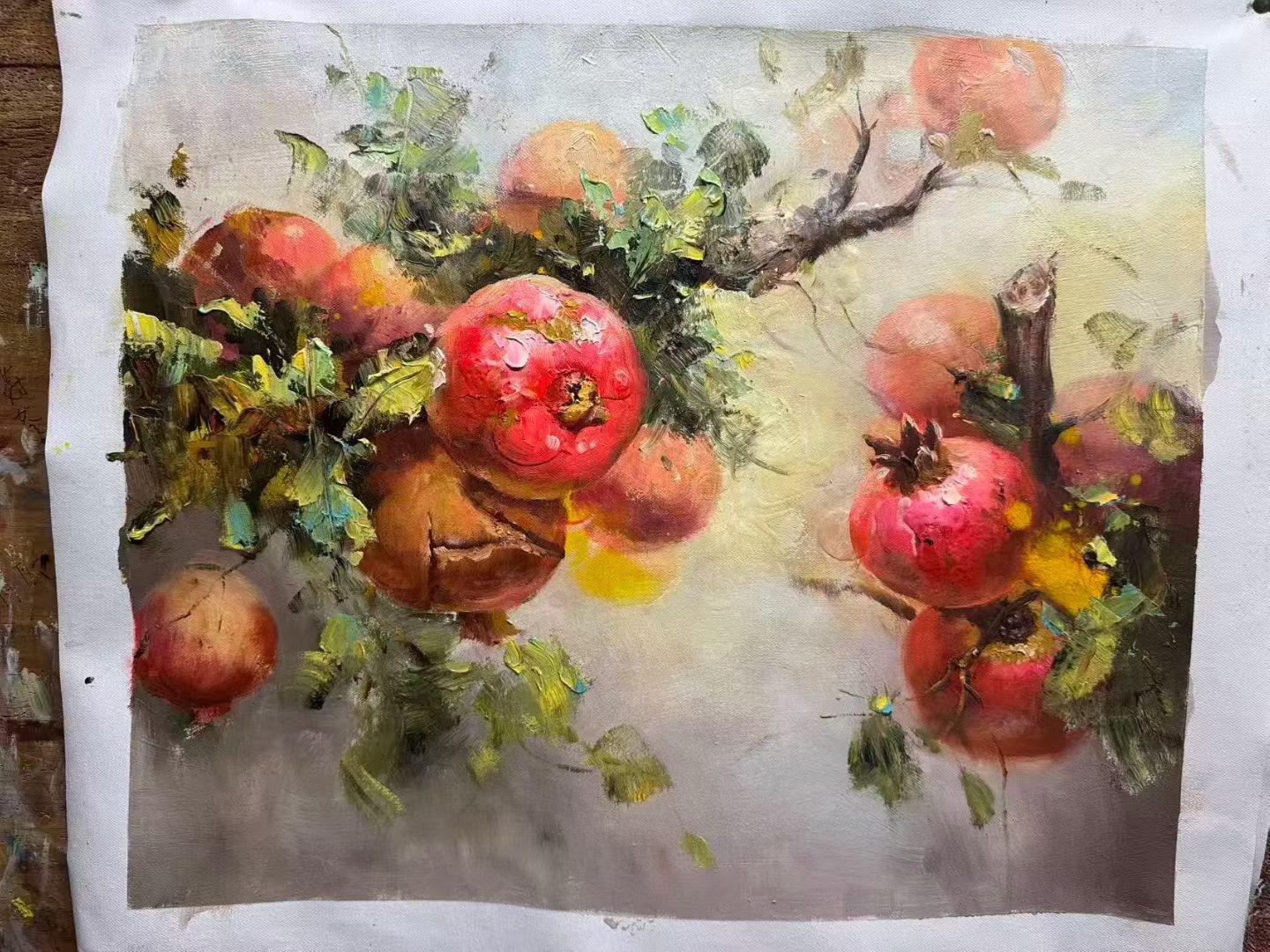
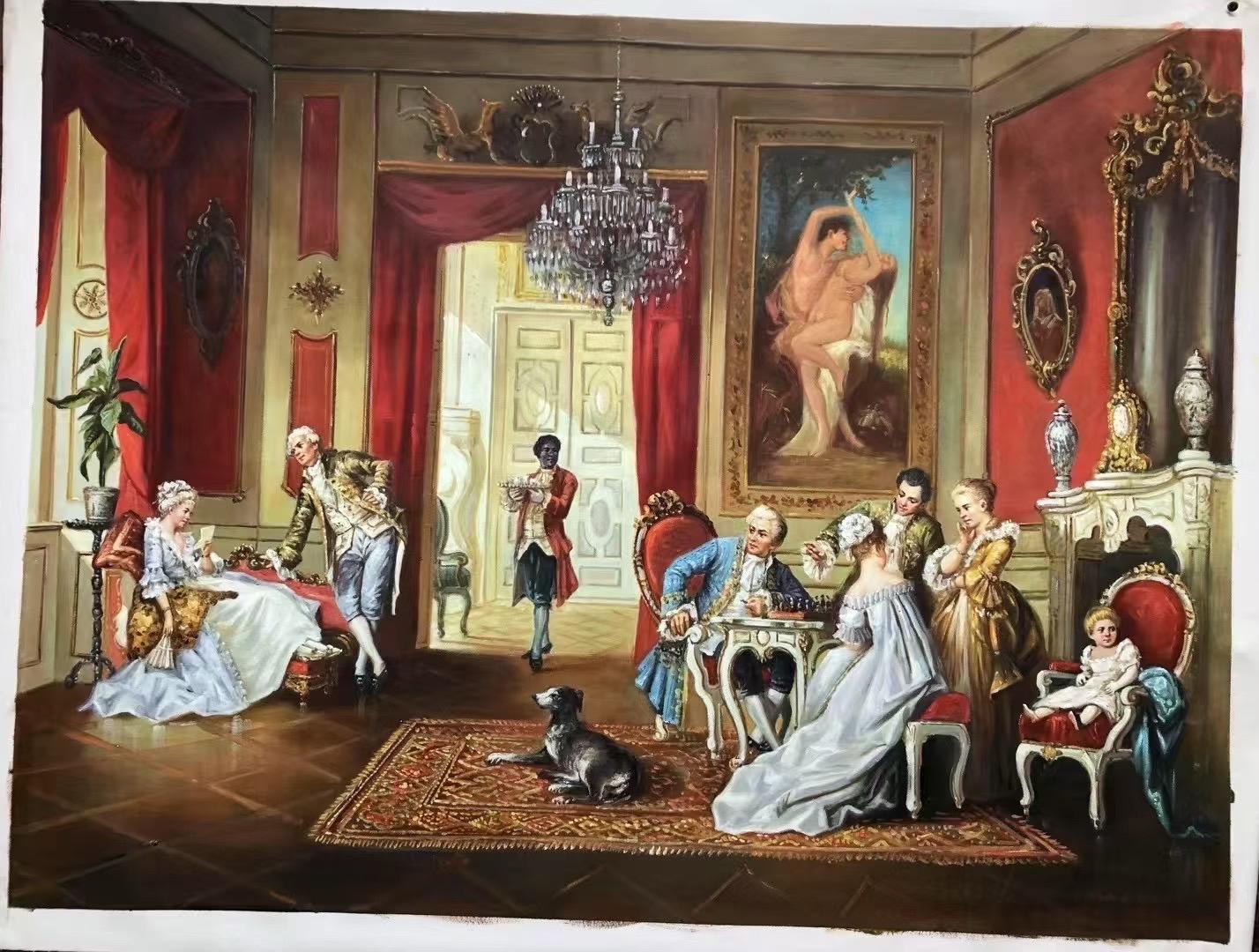
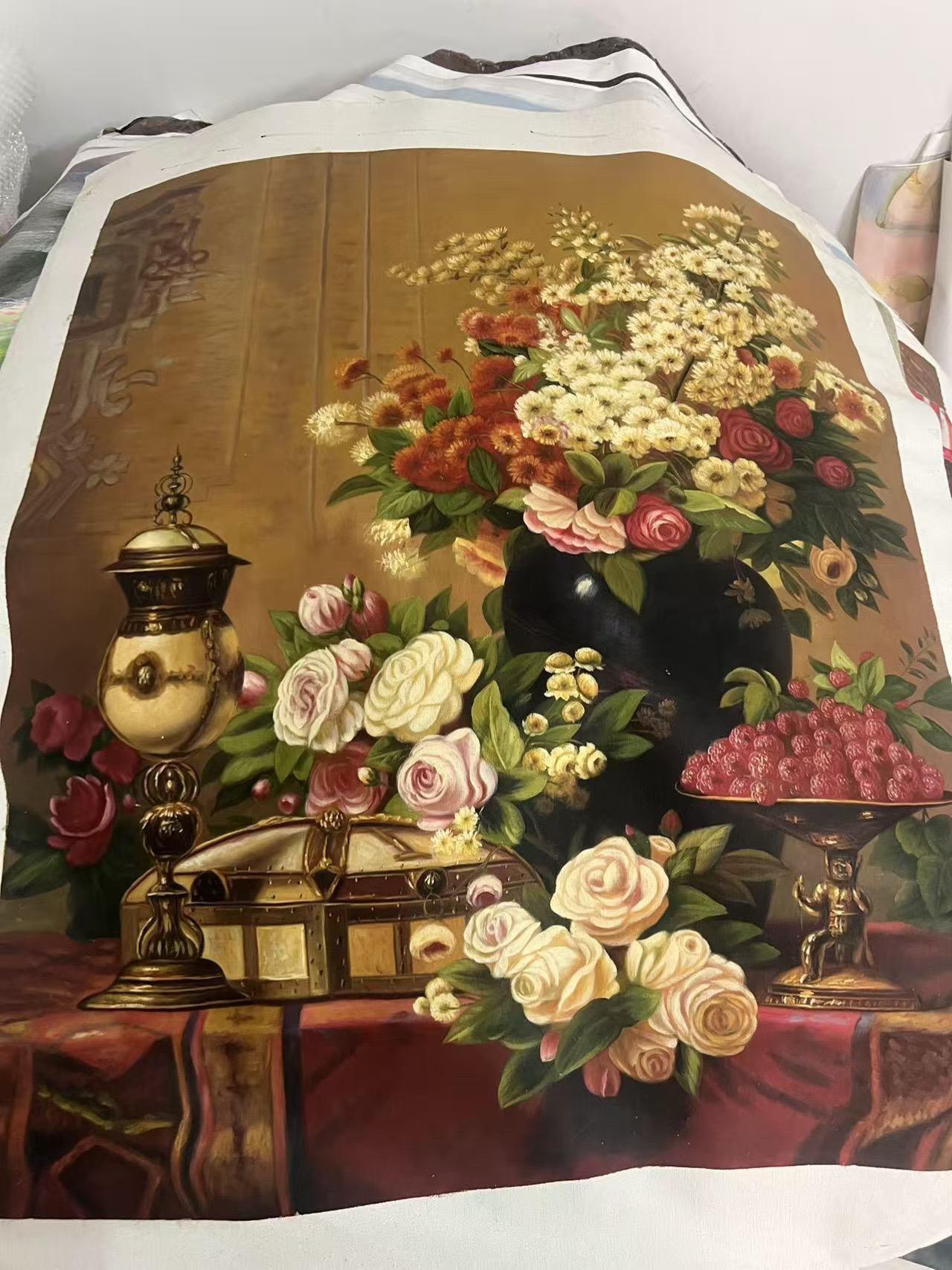
His interiors evoke a vanished aristocratic Russia: velvet draperies, gilded mirrors, and always those quiet tableaux of daily poetry. I find myself lost in his depiction of a morning bouquet—red and white blossoms spilling from crystal, bathed in the tender gold of dawn. Beside them sits an ornate antique lamp, its base catching stray beams, while nearby rests a stack of worn volumes. Are they Pushkin’s verses, their pages softened by generations of reverent fingers? In Slavinsky’s oil pastel art, these objects become more than still life; they become portals to memory, rendered with a tenderness that suggests the artist himself whispers among the pages.
Through the waxy, luminous layers of his chosen medium, Slavinsky achieves what few can—he captures not merely the visible world, but the shimmering veil of dream that hovers just behind it. His oil pastel art stands as testament to a life lived between cultures, between eras, always in pursuit of that perfect moment when pigment and passion become indistinguishable from pure poetry.